- New research identifies Belfast International, Cornwall Airport Newquay, Leeds Bradford Airport, Liverpool John Lennon and Teesside International Airport as most likely to gain Heathrow connections through expansion
- New links could unlock £335m in additional gross tourism spend, boosting trade, investment and jobs. This builds on the estimated £1.2bn in gross tourism spending across the UK from travellers supported by current Heathrow domestic routes
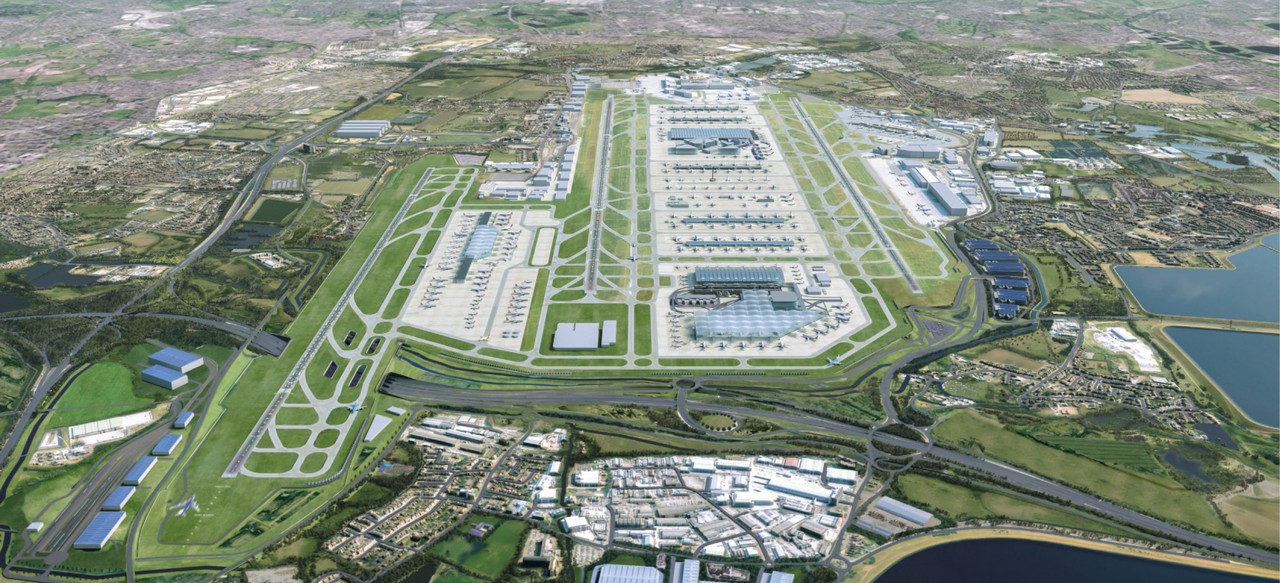
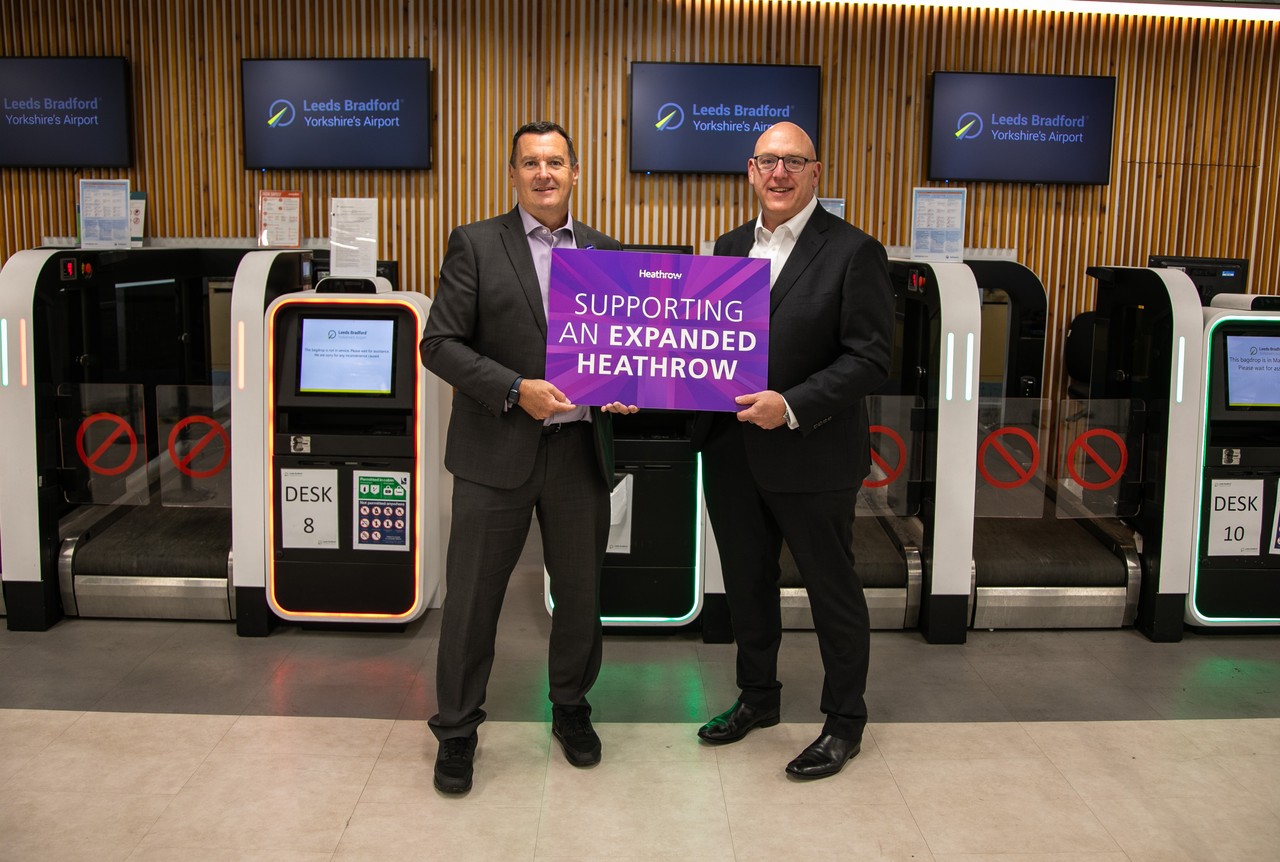
- Regional airports and businesses support this Government’s backing of Heathrow expansion and urge the project to be progressed as fast as possible
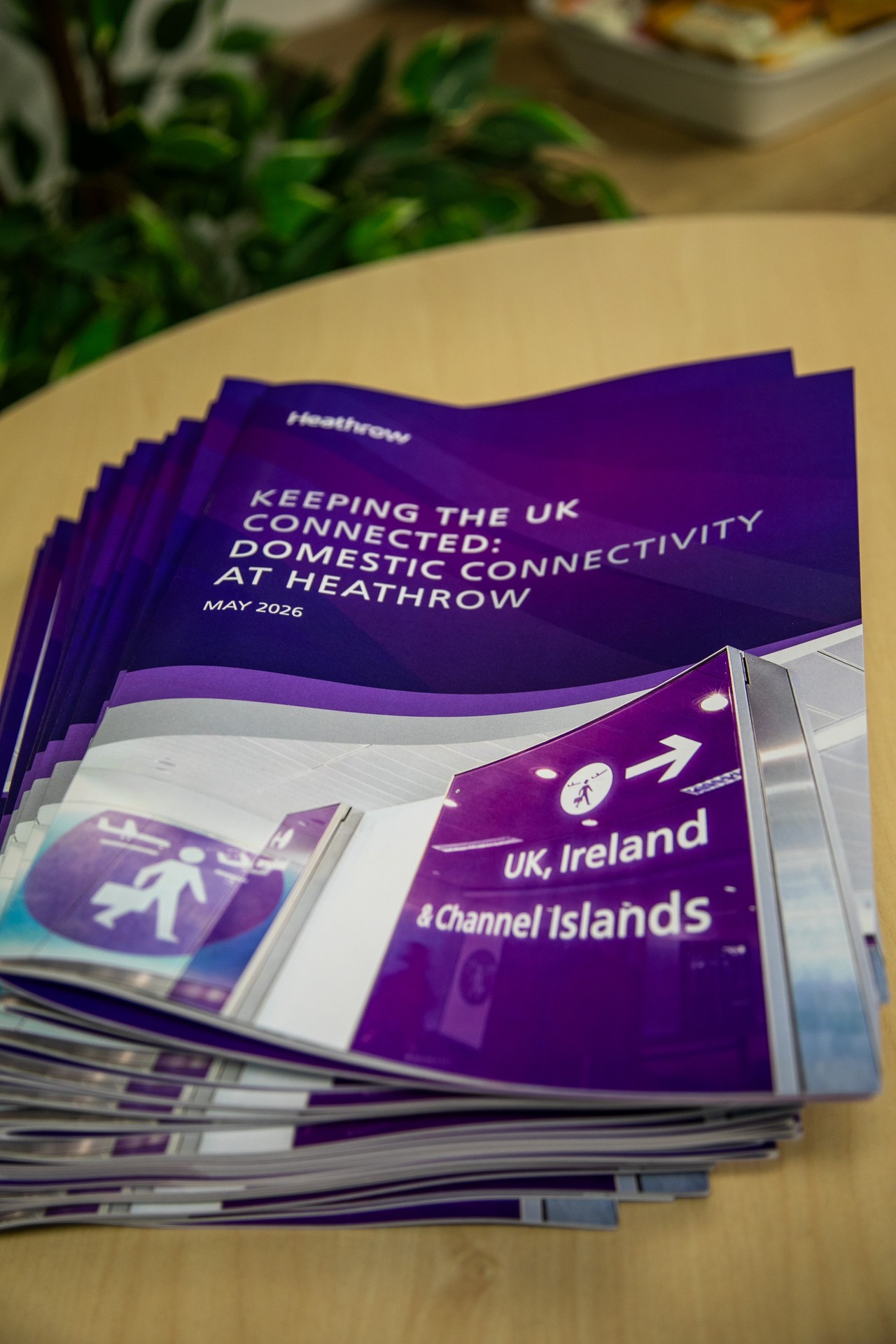
New research by Frontier Economics has identified the UK airports most likely to benefit from new or restored connections to Heathrow, when additional airport capacity is delivered by a third runway.
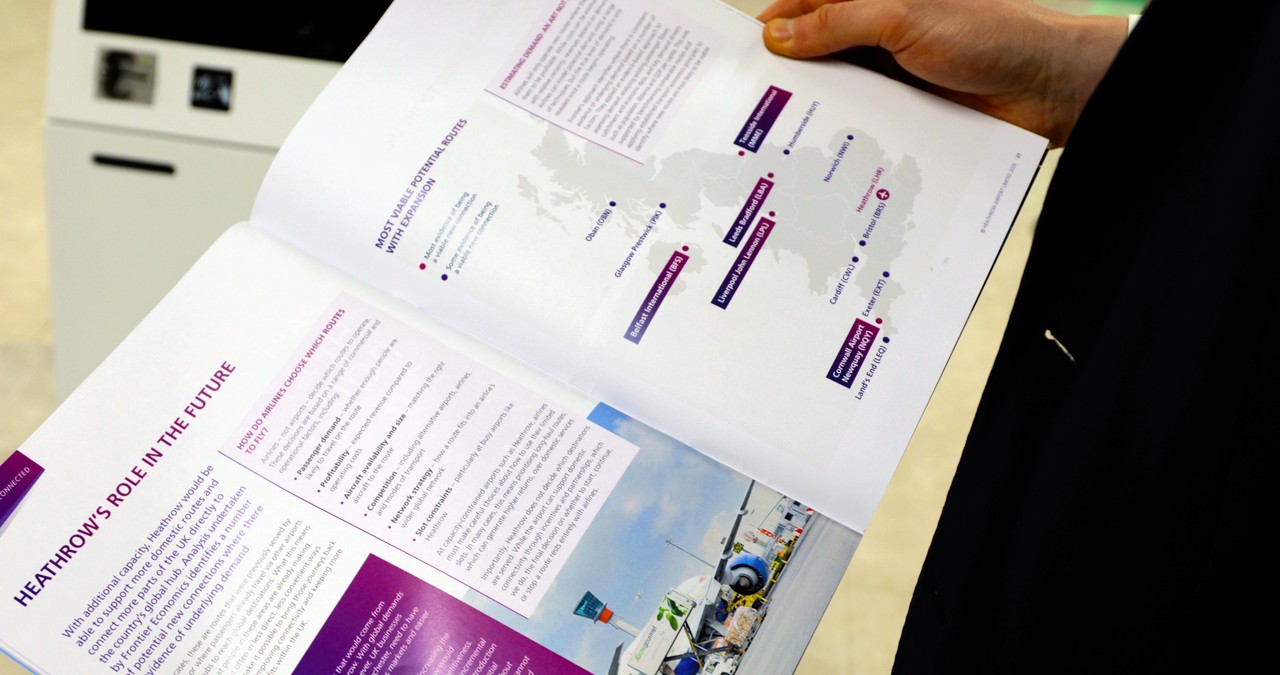
The analysis highlights Belfast International, Cornwall Airport Newquay, Leeds Bradford Airport, Liverpool John Lennon and Teesside International Airport as the strongest candidates for new domestic links to the UK’s hub airport, based on clear evidence of underlying demand.
New domestic connections would strengthen connectivity between the UK’s nations and regions and global markets, facilitating trade, tourism and investment from the North York Moors, accessible via Teesside, to Belfast’s growing screen and cultural industries.
Heathrow already plays a critical role in connecting the UK. Almost 5 million passengers travelled on Heathrow’s 13 domestic routes in 2025, supporting an estimated £1.2bn in gross tourism spending across the UK. These connections are essential for many communities, helping to support jobs, attract visitors and link local economies to international opportunities in less connected parts of the UK.
For the last twenty years Heathrow has been operating at capacity, with airlines often prioritising the use of limited slots for long haul destinations. As a result, domestic connections have been lost, with passengers relying on indirect routes via overseas hubs, offshoring the benefits of connectivity away from the UK.
While airlines make decisions on which routes operate at Heathrow, Frontier Economics’ research shows that new routes are viable and expansion would give airlines the headroom to introduce and reinstate connections, bringing more of the UK within easy reach of Heathrow’s global network.
Heathrow already supports a range of measures to protect and strengthen domestic connectivity, through the domestic passenger discount and work with the GREAT campaign to showcase the best of the UK. Heathrow will also continue to play its part in advocating wider policy reforms, ensuring Public Service Obligation regulations are fit for purpose, amend UK slot allocation rules to include domestic connectivity as a primary criterion, and abolish domestic Air Passenger Duty.
New domestic links, alongside strengthened existing services, could deliver substantial economic benefits. If these top five routes were introduced and operated 5 days a week, the combined impact could be significant, generating around £335 million in additional tourism spending and supporting thousands of jobs in the UK’s tourism and hospitality sector.
That’s why regional airports and businesses support this Government’s backing of Heathrow expansion and urge the project to be progressed as fast as possible, to unlock the benefits for the nations and regions of the UK.
Nigel Milton, Chief Communications and Sustainability Officer, Heathrow, said: “Domestic connectivity has always been central to Heathrow’s role as the UK’s only hub airport. For many communities, these links are not a luxury, they are a lifeline, connecting people and businesses to opportunities across the UK and around the world. With additional capacity, we can strengthen these vital connections and ensure every part of the country can benefit from Heathrow’s global network.”
Karen Dee, Chief Executive, Airports UK, said: “This report demonstrates that connecting our regional economies through enhanced direct links between our airports will bring more jobs, wealth, and prosperity. Additional airport connectivity opens up a whole range of possibilities, from new markets to buy and sell goods and services and more attractive investment environments, to easier access for tourists and a better ability to keep friends and family connected. This important research illustrates the value of connecting all parts of the UK through our airports and we encourage the government to move quickly to deliver the benefits that new capacity will bring to the UK economy.”
Tourism Minister Stephanie Peacock said: "Strong domestic connectivity is vital to growing tourism in the UK, and Heathrow and its connections to regional airports play a critical role in this. By making it easier for visitors to reach every corner of the country - from coastal destinations to historic cities and rural areas - our airports create jobs, serve communities and link local economies to international opportunities. This government has set an ambitious target of welcoming 50 million visitors a year by 2030, and we are developing a Visitor Economy Growth Strategy to provide a clear, long-term plan to unlock investment, support businesses and increase visitor flows across England."
To read the full report and supporting analysis click here.
Ends
Notes to Editors
- Frontier Economics were commissioned by Heathrow to produce analysis that Heathrow can draw upon to demonstrate the importance of domestic connectivity between Heathrow and the UK regions; and identify potential new domestic connections.
- Heathrow currently connects to the 14 UK and Crown Dependencies destinations: Aberdeen, Belfast, City of Derry, Dundee, Edinburgh, Glasgow, Guernsey (As of May 2026), Inverness, Kirkwall (via Dundee), Isle of Man, Jersey, Manchester, Newcastle, Sumburgh (via Dundee).